Drain Repairs vs Drain Relining in Nottingham: Which Do You Need?
Homeowners in Nottingham and the surrounding Nottinghamshire areas often face the challenge of dealing with damaged drains. Whether your property is in the city centre, West Bridgford, Beeston, or further afield in Arnold or Carlton, choosing the right drainage solution can prevent costly damage and disruption.
Two primary methods dominate the approach to fixing problematic drains: traditional excavation repairs and modern no-dig drain relining. Each has its merits and suitability depending on the extent of the damage, access, and local conditions. This article explores both methods to help Nottingham residents make an informed decision.
Understanding Traditional Drain Repairs
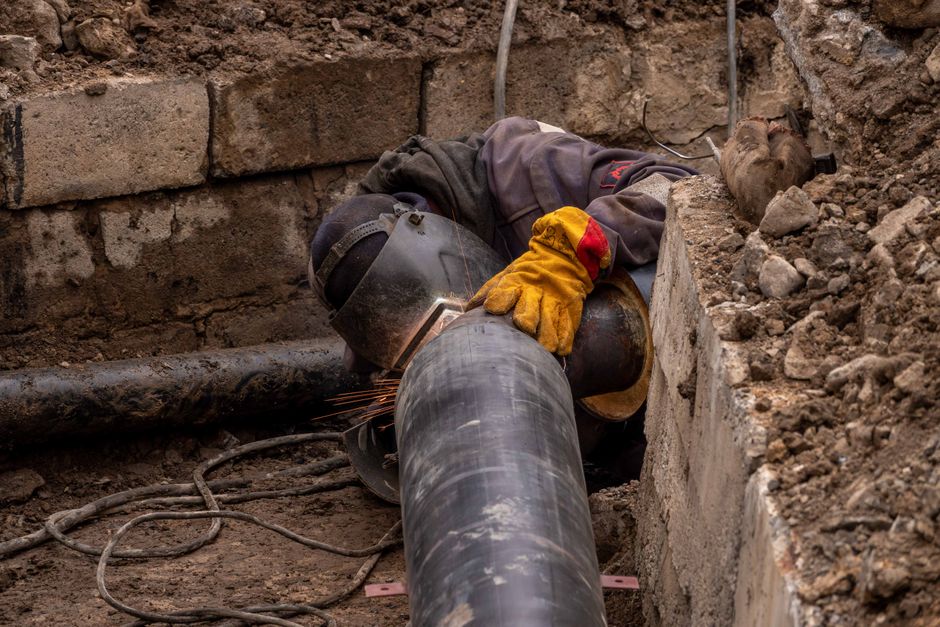
Traditional drain repairs involve excavating the ground to access the damaged section of the drainage pipe. This often means digging up driveways, gardens, or pathways to expose the faulty drain before removing and replacing the damaged pipework.
This method is well-established and allows drainage engineers to directly see and assess the full scope of damage. It is particularly useful when pipes are severely broken, collapsed, or when there are multiple problem areas close together.
However, excavation can be disruptive to your property and may require restoration work once repairs are complete. In Nottinghamshire towns like Hucknall or Bulwell, where older properties often have intricate drainage layouts, traditional repairs may involve more extensive groundwork.
What Is Drain Relining? A No-Dig Alternative
Drain relining is a modern technique often referred to as a no-dig or trenchless repair. Instead of digging up the ground, a resin-coated liner or sleeve is inserted into the existing damaged drain pipe and then cured to form a new, durable pipe within the old one.
This method minimises disruption, making it ideal for homeowners in built-up areas like Clifton or Mapperley where excavation could be impractical or costly. The cured liner reseals cracks, holes, and joints, restoring structural integrity without removing the pipe.
Drain relining can often be completed more quickly than traditional methods, reducing inconvenience for properties in busy Nottinghamshire suburbs such as West Bridgford or Stapleford.
Advantages of Traditional Drain Repairs
One clear advantage of traditional repairs is the ability to fully replace severely damaged sections. If a pipe has collapsed completely or been crushed, excavation allows for thorough removal and installation of new drainage pipework.
This method also provides a clear visual inspection opportunity for engineers to diagnose underlying soil or structural issues affecting your drains, which can be common in areas around Gedling or Netherfield where ground conditions vary.
For extensive drainage systems serving older properties, traditional repairs may sometimes offer a more permanent solution, especially when multiple sections require replacement.
Advantages of Drain Relining
Drain relining’s main benefit lies in its minimally invasive nature. Because it avoids digging, it is often faster and less disruptive to gardens, driveways, and paved areas that Nottingham homeowners value highly.
The lining material used is waterproof and resistant to root ingress, which can be a common cause of blockages in the leafy suburbs of Sherwood or Ruddington. This helps reduce future maintenance needs.
Additionally, the cured liner can extend the life of the existing pipe by up to 50 years, making it a cost-effective option for many drains that are damaged but not beyond repair.
Limitations and Considerations for Each Method
Traditional repairs’ main drawback is the extensive disruption and potential costs associated with excavation, especially in areas with hard landscaping or narrow access, common in Nottingham’s older residential streets.
Conversely, drain relining is not suitable if the pipe is completely collapsed or the damage is too severe for a liner to be inserted. Also, some very long or irregular shaped sections may be challenging to reline effectively.
In places like Carlton or Arnold, soil type and underground conditions may also influence which repair technique is feasible. A thorough CCTV drain survey is often required to assess the damage accurately before deciding on the method.
How to Decide Which Drain Repair Method Suits Your Nottingham Property
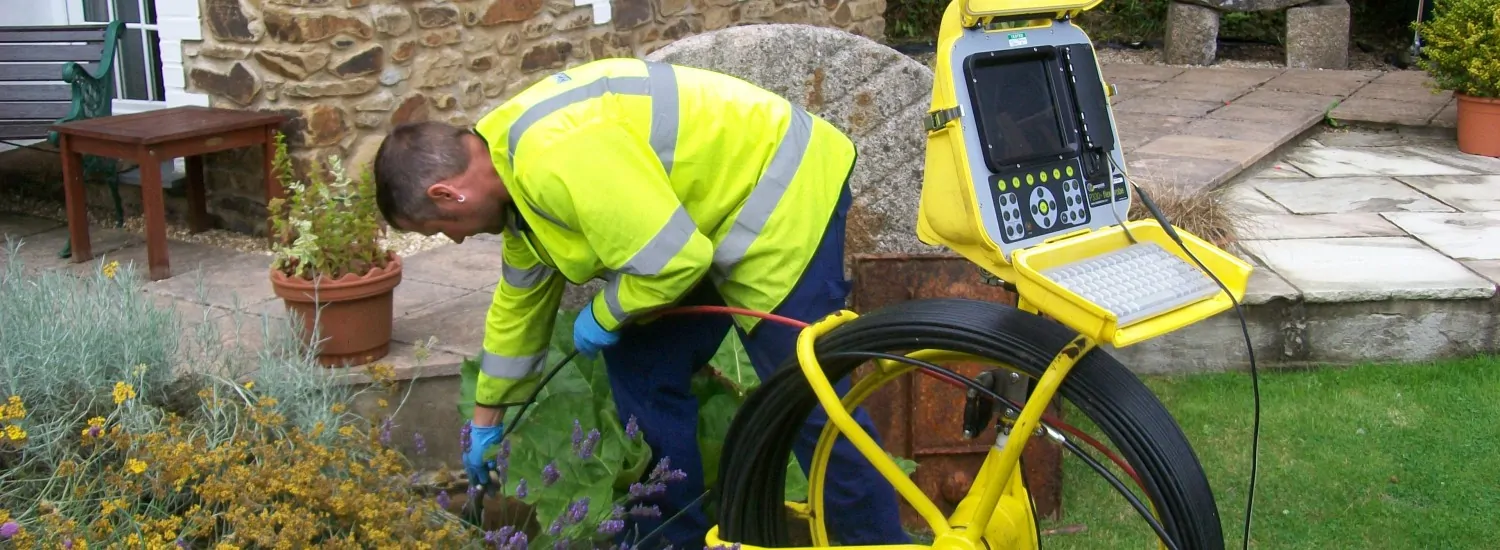
Firstly, arrange a professional drain inspection to assess the extent and location of damage. Local drainage specialists operating in Nottinghamshire use CCTV surveys to provide an accurate diagnosis without guesswork.
If the damage is minor cracks, root intrusions, or holes in otherwise intact pipes, drain relining is often the preferred solution to minimise disruption and repair quickly. However, for collapsed or heavily damaged pipes, traditional excavation is usually necessary.
Owners of older homes in places like Wollaton or Stapleford should also consider the age and material of the pipes. Clay or cast iron pipes may respond differently to repairs than modern plastic pipes, influencing the suitability of relining.
Maintaining Your Drains After Repairs or Relining
Once your drains have been repaired or relined, regular maintenance is essential to keep them clear and functioning properly. Avoid pouring fats, oils, or inappropriate waste down sinks, which can cause blockages.
Homes in Nottingham’s urban areas often face issues with tree roots infiltrating buried drains; having annual inspections helps detect early signs of intrusion before expensive repairs are necessary.
If you notice slow draining, foul smells, or frequent blockages, contact a drainage professional promptly. Early intervention saves time, money, and prevents damage to your property whether in Bulwell, Ruddington, or the city centre.
Need a drainage expert in Nottingham?
Call 0800 669 6492