Outside Drains and Gullies: A Guide for Nottingham Homes
For homeowners across Nottingham and the surrounding Nottinghamshire towns, outside drains and gullies play a vital role in directing rainwater safely away from properties. These drainage features help prevent water pooling around foundations, which can lead to damp issues, erosion, or structural damage if neglected. Understanding how these components function and the common issues they face is key to preserving your home's integrity.
The local climate, with its frequent rainfall and seasonal leaf fall from trees found in areas like Wollaton and Beeston, means that outside drains and gullies can become clogged fairly quickly. Proper maintenance and timely clearing of debris can prevent costly repairs and keep your property safe from water damage throughout the year.
How Outside Drains, Gullies and Channel Drains Work
Outside drains, gullies, and channel drains form a network designed to collect surface water and funnel it away from homes towards main sewers or soakaways. Gullies, often visible on pavements or in gardens, are recessed chambers that trap debris while allowing water to flow through. Connected underground drains carry the water onwards to prevent it pooling around buildings.
Channel drains are typically narrow, linear drains set flush with the ground and covered with grates. These are common along driveways, patios, and entrances to properties in West Bridgford or Arnold. They catch surface water runoff, especially during heavy rains, directing it into the drainage system. Together, these systems help maintain a dry and safe outdoor environment.
Why Leaves, Silt and Debris Block Outside Drains
In Nottinghamshire’s leafy neighbourhoods, such as Sherwood and Mapperley, autumn brings a significant increase in falling leaves. These leaves, along with silt carried by rainwater, can easily clog gullies and channel drains. If not cleared regularly, the accumulated debris forms a barrier that restricts water flow, causing blockages and surface flooding.
Apart from leaves, common causes of blockage include soil erosion from nearby gardens or building sites and litter like plastic bags or packaging. Over time, silt settles at the bottom of gullies, reducing their capacity to store water before drainage, which further exacerbates problems during heavy rainfall events.
Seasonal Maintenance for Outside Drains and Gullies
Routine cleaning is essential to keep outside drains and gullies functioning properly. Homeowners in areas like Carlton and Hucknall should schedule checks during autumn to remove leaves and other organic material before the wetter winter months arrive. Using gloves and a small scoop or trowel can make debris removal safer and more effective.
Springtime is also a good opportunity to inspect for any damage to the grates or the drain structure itself, which could cause blockages or allow rodents to enter. If you notice slow draining after rainfall or unpleasant odours, these may indicate a problem that needs professional attention, especially in older properties around Bulwell or Netherfield.
Signs That Standing Water Around Your Home Needs Attention
If you notice puddles or standing water near your home’s foundation after rainfall, this can be a warning sign of blocked drains or insufficient drainage capacity. Prolonged water retention in places like driveways or patios in Stapleford or Ruddington could mean that gullies are full or drains are damaged.
Such standing water not only causes inconvenience and potential slip hazards but may also lead to damp issues in basements or lower floors. Persistent water around your property can also attract pests or lead to soil erosion that affects garden plants and landscaping.
How to Safely Clear Leaves and Debris from Outside Drains
Clearing leaves and debris from outside drains is a task most Nottingham homeowners can tackle with basic tools like gloves, a drain rod, and a bucket. Remove the metal grate carefully and scoop out visible leaves and mud by hand. Avoid using harsh chemicals which can damage pipes or harm local wildlife in your garden.
Flushing the drain with a garden hose can help dislodge finer silt and smaller debris that aren’t reachable by hand. For channel drains, removing the grate and cleaning along the entire channel length ensures water flows freely. Always replace covers securely to prevent accidents on pavements or driveways.
When to Contact a Drainage Specialist in Nottinghamshire
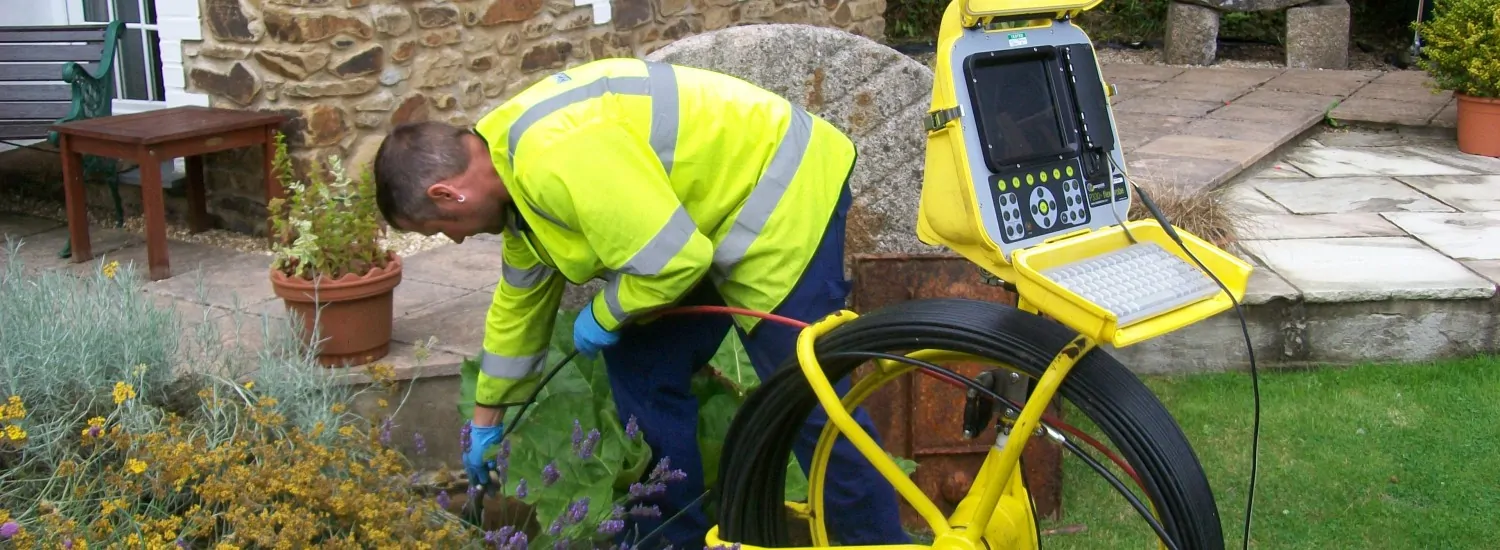
If routine cleaning doesn’t improve drainage or if you detect foul smells, gurgling noises, or repeated blockages, it’s wise to get a professional drainage inspection. Specialists in Nottingham and the surrounding areas have the tools to perform camera surveys and identify hidden issues like collapsed pipes or root intrusion.
Prompt professional intervention can prevent costly water damage or structural repairs to your home. It’s especially important for properties in older districts such as Clifton or Gedling where drainage systems might be ageing and more prone to failure.
Local Considerations for Drainage Maintenance in Nottinghamshire
The varied landscape and weather patterns across Nottinghamshire affect drainage needs differently. For instance, homes in Hucknall, which has clay-rich soil, may experience more surface water pooling compared to properties in Mapperley with better-draining soils.
Additionally, ongoing development in suburbs like West Bridgford or Arnold can change water runoff patterns. Staying aware of local council drainage regulations and any nearby construction activity can help you manage your home’s drainage system more effectively.
Need a drainage expert in Nottingham?
Call 0800 669 6492